The independent appliance repair shop across the Mid-Atlantic
Dryer Vent Cleaning
If your dryer needs two cycles to finish a load, the vent line running out through your wall is usually the culprit, not the machine. Clothes come out warm and damp. Nothing sounds broken and nothing smells burnt, so it is easy to miss. Nine times out of ten, though, the problem sits in the duct rather than inside the dryer.
Call (888) 826-9217- A real person answers
- Open 7 days
- Written quote before work starts
Taking calls until 5:00 PM ET
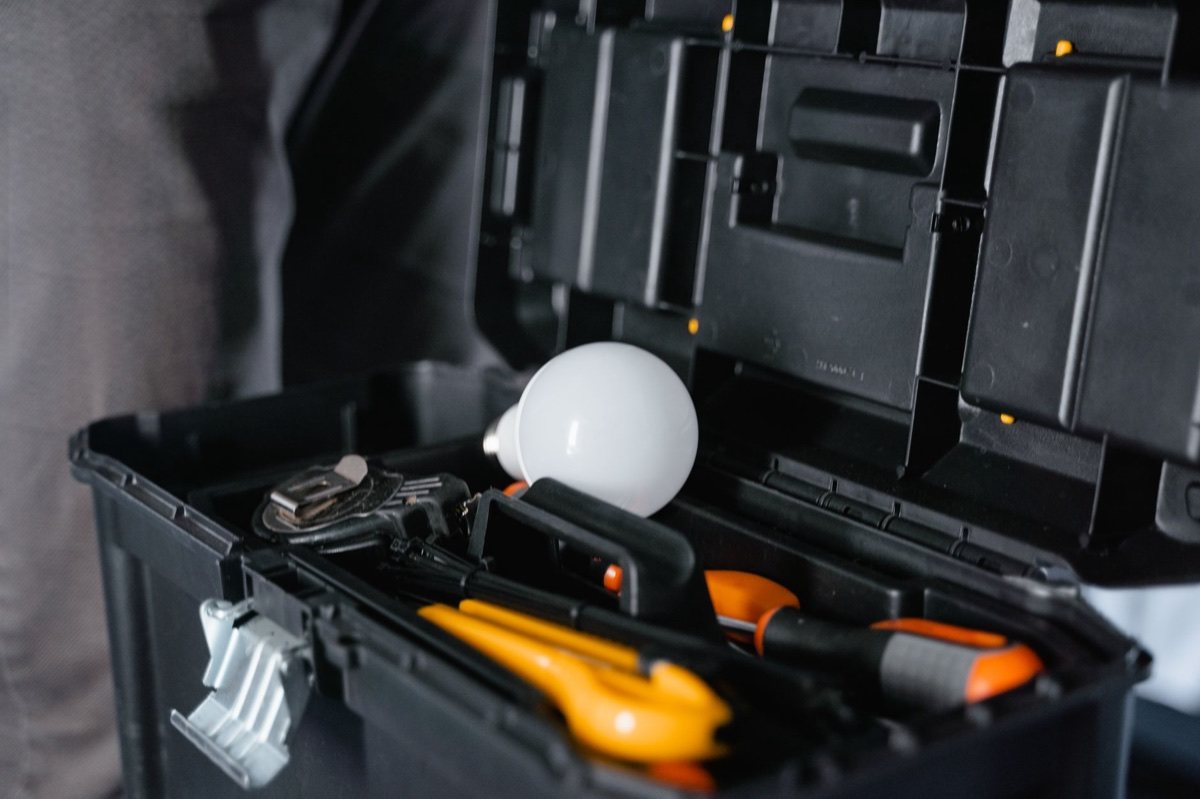
Norristown Appliances service team · field-reviewed before publishing
What Lint Does to a Vent Line Over Time
Lint does not build up all at once. It starts as a thin film, turns into a fuzzy coat, and eventually becomes a plug. Every load adds a little more. As the pipe narrows, hot wet air cannot escape, so it sits in the drum. Your dryer runs longer to do the same work, and the heating element or gas burner cycles more often than it was designed to. Moisture backs up and can rust the ductwork. In older Norristown homes with long runs through a basement ceiling or up a rowhome wall, the buildup happens faster because the air has farther to travel. Lint is also very good at catching fire.
The Habit That Prevents Almost All of It
Clean the lint screen after every single load. Not most loads. Every one. Then once a month, take the screen to the sink and scrub it with dish soap and a brush. Dryer sheets leave an invisible film that blocks air even when the screen looks clean. Run water through it. If the water pools instead of pouring straight through, it needs scrubbing. Next, step outside and look at the vent hood on your siding. The flap should swing open when the dryer runs. Pull away any leaves, nest material, or matted lint you can reach with your fingers. That is it. Two minutes a month.
How Often the Full Vent Needs Cleaning
For an average household, once a year is a sensible rhythm. Pick a month you will remember, like when you change the smoke detector batteries. Some homes need it more. Move to every six months if you have a large family doing daily loads, if you wash a lot of towels or pet bedding, or if your vent run is long or has several elbows. Split-levels with a duct crossing the whole basement fall in that group. Tight galley kitchens and closet installs where the dryer sits close against the wall also collect faster, because the flex hose behind it gets crushed. Ask us if you are not sure which category your home is in.
Signs Prevention Time Has Passed
Watch for these. Clothes are still damp at the end of a normal cycle. The laundry room turns hot and humid during a load. The top of the dryer is too hot to rest your hand on. There is a burnt or musty smell in the fabric, or no air puffing out of the exterior hood while the machine runs. Lint shows up on the floor behind the dryer. A dryer that shuts off partway through on its own is often a safety switch doing its job, because heat cannot escape. Any one of these means the line is restricted now. Stop using the dryer for heavy loads and call us.
When It Is the Vent and When It Is the Dryer
Here is a rough way to tell. If the drum spins and you feel real heat but clothes stay wet, suspect the vent. If the drum spins with no heat at all, that usually points inside the machine. A dryer that trips a breaker or stops mid-cycle over and over needs a look either way. Do not pull panels off, poke at gas connections, or open anything to test parts. There are components in there that hold a charge, and lines you do not want to disturb. Unplug the unit, pull it out gently if you can reach behind it, and check the flex hose for kinks. Then reach us.
Dryer Vent Cleaning — fast answers
Can I clean the vent myself with a kit from the hardware store?
You can handle a short, straight run with a brush kit. Long runs, roof vents, and ducts with multiple elbows are harder to clear fully, and a partial job can pack the lint tighter. Call us if you cannot see daylight through the line.
Does a ventless or condenser dryer need this?
There is no duct to clean, but these units have a condenser coil and a filter that clog with lint and detergent residue. Rinse the filters per the manual regularly. Drying times creeping up means the same thing: airflow is blocked.
Is flexible foil hose behind the dryer a problem?
Thin foil and plastic hoses crush easily, and their ridges trap lint. Rigid or semi-rigid metal transition duct moves air better and holds its shape when the dryer is pushed back. We check that connection whenever we are out for a drying complaint.
How it works
- Step 1
Tell us the symptom
Call us or fill out the form and describe what you hear, smell or see. Grinding, leaking, no heat at all. If you can find the tag, give us the brand and roughly how old the machine is.
- Step 2
We book a window
Pick a visit time that fits your day. We ask ahead about tight doorways, basement stairs and stacked units, so the right tools come off the truck on the first trip.
- Step 3
Diagnose, then repair
Our tech tests the machine and explains what failed in plain words, then lays out your options. Common parts ride along on the van. If a part has to be ordered, we schedule a prompt return.
- A real person answers
- Open 7 days
- Written quote before work starts
Why homeowners call us
- Built for local kitchensNorristown is home base. We know the Philly rowhome galleys where the fridge barely clears the cabinet, and the 1960s split-levels with laundry tucked behind a furnace. A cramped space doesn't slow the repair down.
- Independent, not a dealerWe work for you, not a manufacturer. So you get straight talk about whether a machine is worth fixing or close to done. No script, no upsell pressure, and nobody steering you toward a showroom floor.
- Wide brand experienceRefrigerators, washers, dryers, dishwashers, ranges, wall ovens and cooktops. Front-load or top-load, gas or electric. We handle older workhorses and newer control boards, and we keep up with the common failure patterns across the major brands.
- Clear communicationYou hear what part failed and why. We'll show you the worn belt or the cracked pump housing. Floors get covered, cabinets stay protected, and the old parts leave with us.
- All major brands, gas & electricEvery major appliance brand, gas and electric, handled by an independent shop.
- Straight answersIf replacing beats repairing, you hear it from us first.
About this guide
Checked everything on the list and it still acts up?
Tell us what you tried and what it did. The booking itself takes a minute.
- A real person answers
- Open 7 days
- Written quotes
- All major brands
- Gas & electric
Rather not call? Get a free quote →