The independent appliance repair shop across the Mid-Atlantic
What Local Weather Does to Home Appliances Through the Year
Appliances fail on a schedule around here, and the season usually tells us which one. Your fridge ran fine all winter, then July hits and it can't keep ice. The dryer needs two cycles once the basement turns damp. Weather in this area swings hard, and machines feel every degree of it. We see the same failures land in the same months year after year. Below is what each season does, plus what you can check yourself before it turns into a service call.
Call (888) 826-9217- A real person answers
- Open 7 days
- Written quote before work starts
Taking calls until 5:00 PM ET
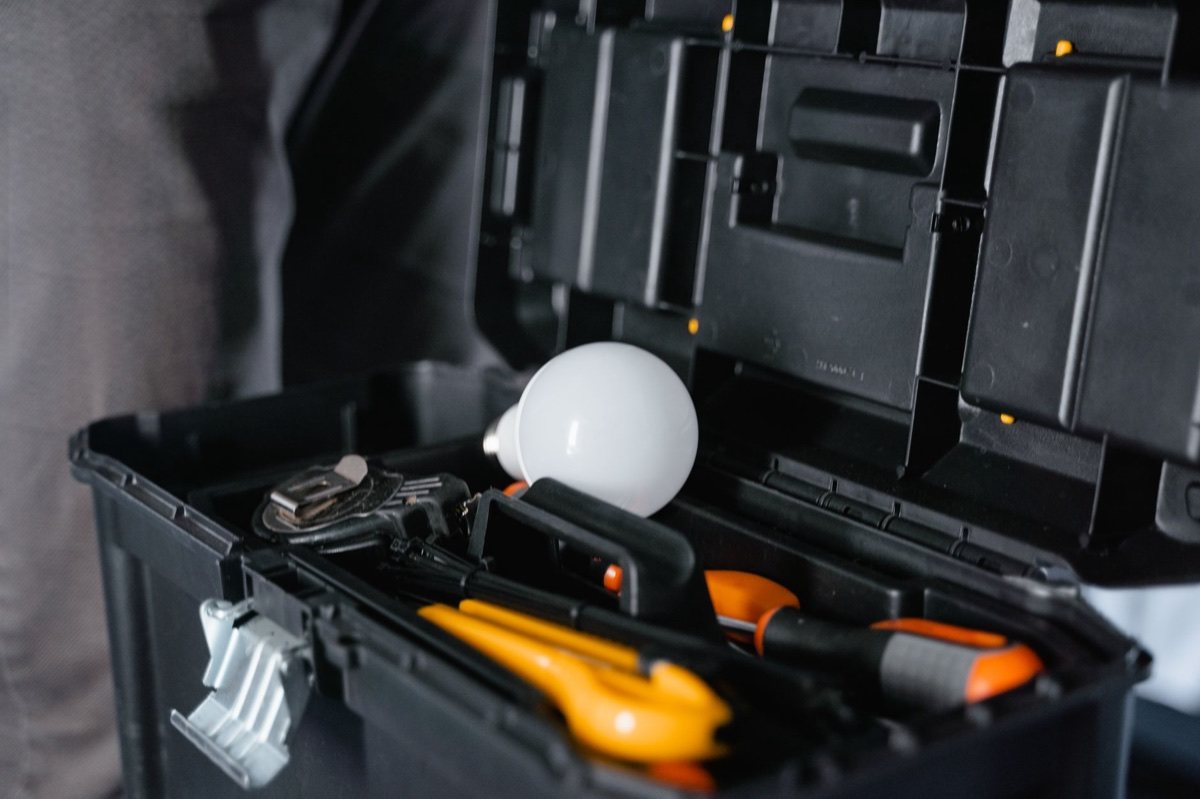
Norristown Appliances service team · field-reviewed before publishing
Summer heat: fridges and freezers work overtime
July and August are our busiest weeks for refrigerators. A kitchen sitting at 82 degrees means the compressor barely rests. Dirty condenser coils that got by all spring suddenly can't shed heat, and the freezer starts running soft. Ice cream goes grainy first, and that's usually your early warning. Pull the fridge out and vacuum the coils at the back or behind the toe-kick grille. Unplug it first. Check that the door gasket still grabs a dollar bill when you close it on one, and give the unit a few inches of breathing room from the wall. Garage fridges struggle most, since many aren't built for unconditioned heat. If it's still warm after a day, call us.
Humid stretches: dryers, dishwashers and mildew smells
Mid-Atlantic humidity sits heavy from June into September. Damp air makes a dryer take longer for the same load, and a partly clogged vent turns that into a real problem. We find lint packed into long basement runs in rowhomes and split-levels all the time. Clothes come out hot but still wet, and the dryer top feels hotter than usual. Disconnect the vent hose at the wall and clear what you can reach by hand. Go outside and make sure the flap actually opens when the dryer runs. Look behind the machine for crushed foil hose. Humid months also bring musty dishwashers. Wipe the door seal and clean the filter basket at the bottom.
Fall and the first cold snap: ranges, ovens and hard starts
Once holiday cooking starts, ovens get used harder than they have all year. That's when a weak bake element or a burner that won't light shows itself. We'd rather find it in October than the morning you're roasting for twelve. Run your oven up to 350 in early fall and let it hold there twenty minutes. Listen for the click and watch for even browning on a sheet of biscuits. If one side scorches, the element or sensor needs a look. Cold also stiffens water lines. A dishwasher or ice maker fed by a line in an unheated crawlspace may slow down. Clear stored boxes away from vents and back panels.
Deep winter: unheated laundry rooms and frozen supply lines
January is when we get calls from garages, back porches and unfinished basements. Washers in cold spaces are the big one. Water sitting in the pump or hose can freeze, and then the machine fills slowly or not at all. Plastic parts go brittle, and a hose that flexed fine in June can split. If your laundry sits below 50 degrees, keep the door to that space open so house heat drifts in. Feel the fill hoses for stiffness or bulges. Replace rubber hoses with braided steel ones. Freezers in cold garages can also stop cycling correctly. If the compressor never runs on a frigid night, that's worth a call to us.
Spring: storms, power blips and the checks we'd do first
Spring thunderstorms cause more appliance trouble than people expect. A quick voltage sag can scramble a control board on a front-load washer or an induction range. The symptoms look random, like a cycle that quits halfway or a display flashing a code you've never seen. Start simple. Unplug the machine for five minutes, plug it back in, and try again. Check the breaker, and check both halves of a double breaker for a range or dryer. Reset the GFCI if the outlet has one. Spring is also the right time for the annual round: vacuum fridge coils, clear the dryer vent, clean the dishwasher filter. Twenty minutes total, and it prevents a lot of summer calls.
What Local Weather Does to Home Appliances Through the Year — fast answers
Why does my refrigerator only struggle in summer?
Warmer kitchen air makes the compressor run nearly nonstop. Dust on the condenser coils blocks heat from escaping, so what worked in March can't keep up in August. Clean coils and good airflow behind the unit help most.
Is a garage or basement washer a bad idea here?
It works if the space stays above freezing. Below that, water left in the pump and hoses can freeze and crack parts. Keep some heat in the room, and use braided steel fill hoses.
How often should I clear the dryer vent?
Once a year is a reasonable baseline, and sooner if drying times creep up. Long basement runs and homes with pets clog faster. Damp summer air makes a partly blocked vent much more noticeable.
How it works
- Step 1
Tell us the symptom
Call us or fill out the form and describe what you hear, smell or see. Grinding, leaking, no heat at all. If you can find the tag, give us the brand and roughly how old the machine is.
- Step 2
We book a window
Pick a visit time that fits your day. We ask ahead about tight doorways, basement stairs and stacked units, so the right tools come off the truck on the first trip.
- Step 3
Diagnose, then repair
Our tech tests the machine and explains what failed in plain words, then lays out your options. Common parts ride along on the van. If a part has to be ordered, we schedule a prompt return.
- A real person answers
- Open 7 days
- Written quote before work starts
Why homeowners call us
- Built for local kitchensNorristown is home base. We know the Philly rowhome galleys where the fridge barely clears the cabinet, and the 1960s split-levels with laundry tucked behind a furnace. A cramped space doesn't slow the repair down.
- Independent, not a dealerWe work for you, not a manufacturer. So you get straight talk about whether a machine is worth fixing or close to done. No script, no upsell pressure, and nobody steering you toward a showroom floor.
- Wide brand experienceRefrigerators, washers, dryers, dishwashers, ranges, wall ovens and cooktops. Front-load or top-load, gas or electric. We handle older workhorses and newer control boards, and we keep up with the common failure patterns across the major brands.
- Clear communicationYou hear what part failed and why. We'll show you the worn belt or the cracked pump housing. Floors get covered, cabinets stay protected, and the old parts leave with us.
- All major brands, gas & electricEvery major appliance brand, gas and electric, handled by an independent shop.
- Straight answersIf replacing beats repairing, you hear it from us first.
About this guide
If the safe checks didn't fix it, the fault is real
Tell us what you tried and what it did. The booking itself takes a minute.
- A real person answers
- Open 7 days
- Written quotes
- All major brands
- Gas & electric
Rather not call? Get a free quote →