The independent appliance repair shop across the Mid-Atlantic
Microwave Runs, Food Stays Cold
The turntable spins. The light comes on. The fan hums. But two minutes later your coffee is still lukewarm and the leftovers are cold in the middle. That combination confuses people, because the microwave looks like it's working fine. It isn't. Something in the heating side has quit while the rest keeps running. Here's what usually causes it.
Call (888) 826-9217- A real person answers
- Open 7 days
- Written quote before work starts
Taking calls until 5:00 PM ET
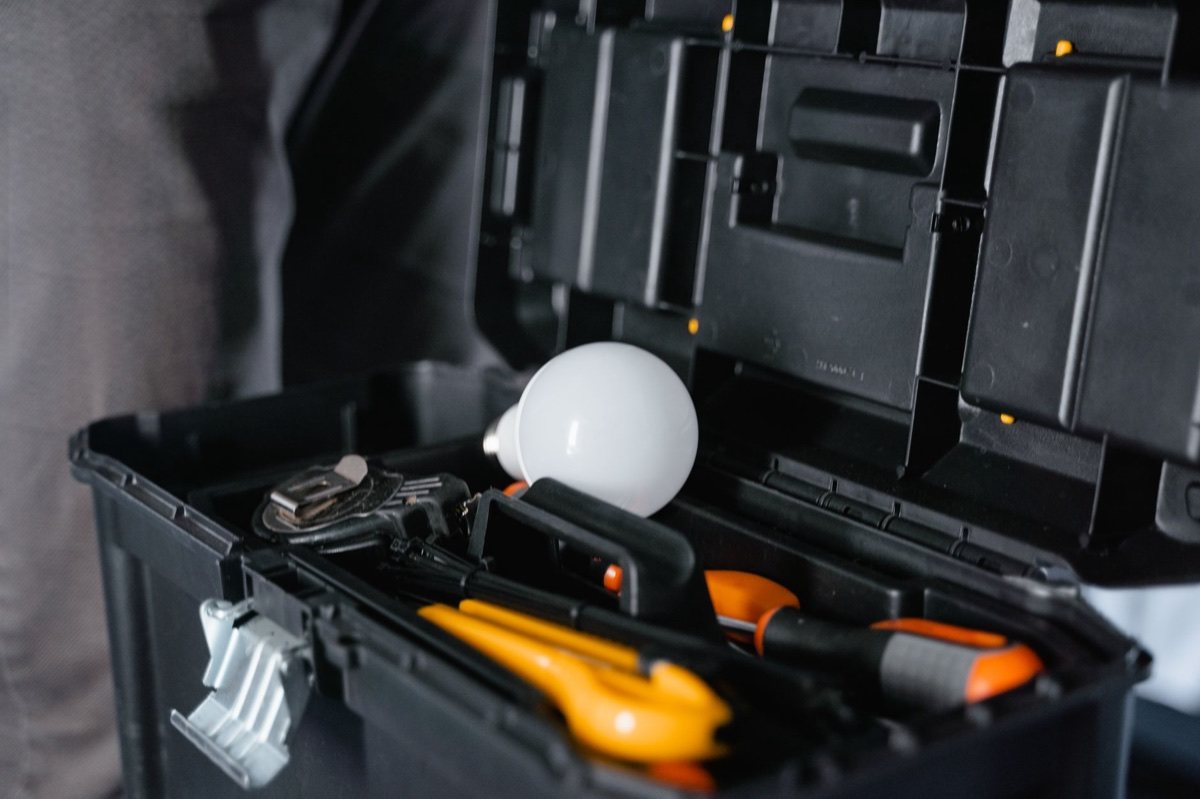
Norristown Appliances service team · field-reviewed before publishing
What "runs but doesn't heat" actually tells us
A microwave has two jobs happening at once. One set of parts moves air, spins the plate, and lights the cavity. A separate high-voltage circuit makes the actual cooking energy. When the first group works and the second doesn't, the problem is almost always in that high-voltage circuit or the switches that tell it the door is shut. This is good news in one way: it narrows things down fast. It's bad news in another. That circuit stores enough charge to hurt you badly, even unplugged. So the diagnosis stops being a homeowner job the moment the outer case comes off.
Start with the simple stuff: settings and load size
We check the cheap causes first, because sometimes that's the whole story. Power level is the big one. If someone bumped it down to 3, everything looks normal and food stays cool. Run a fresh cup of water on high for one minute and see. Also check that you're not on a defrost or a low-wattage sensor cycle. Over-the-range units on some models have a demo or showroom mode that runs the display and fan with no heat. Your manual will say how to exit it. Cold food from a jammed-full plate or a huge frozen brick is normal, not a fault.
Door switches: the common and less costly failure
Every microwave has small switches in the door latch area. They confirm the door is truly closed before heat is allowed. One switch can fail while the others still work. Result: the light, fan, and turntable run, the unit sounds normal, but no heating happens. A sagging or warped door on an older over-the-range unit can do the same by not pressing the latch far enough. Try closing the door firmly and with a slight lift, then run the water test again. If firm closing helps sometimes, tell us that. It's a strong clue and points at the latch assembly rather than the expensive parts.
The high-voltage side: magnetron, diode, capacitor, transformer
When the switches are fine, we're looking at the parts that actually make heat. A common sign is a loud hum or buzz with no warming, sometimes with a tripping breaker. Another is a burning smell after it ran normally for years. These parts, plus the high-voltage fuse and thermal cutouts, live behind the case. We don't ask you to check them. The capacitor holds a charge that can injure you after the cord is pulled. On a countertop unit, the repair sometimes costs more than the appliance is worth, and we'll say so plainly. On a built-in or over-the-range unit, the math usually favors repair.
What we do that you can't do at the counter
We run a measured water test first to see how much heat, if any, is being produced. Then we discharge the capacitor safely and meter the door switches, the diode, the transformer, and the thermal protectors one by one. That order matters. A blown fuse is a symptom, not the cause, and swapping it without finding the short just blows the new one. We also check the vent path and grease buildup, since overheating trips protectors on units mounted above a hard-working range. Tell us the model and what you heard when it quit. Call us and we'll bring the likely parts on the first trip.
When it is time to book
Related guides
Microwave Runs, Food Stays Cold — fast answers
Is it safe to keep using a microwave that doesn't heat?
Unplug it. The heating circuit has already failed, and a hidden short can trip breakers or start a smell of burning. There's no benefit to running it while you wait for a visit.
Why does the fan and light still work?
They run on ordinary household voltage from a separate circuit. Heating comes from a high-voltage section with its own fuse and switches. That section can fail completely while everything else looks fine.
Is an over-the-range microwave worth repairing?
Often yes. Built-in and over-the-range units cost more to replace and involve mounting and venting work. Small countertop models are frequently a replace decision. We'll tell you which side yours falls on.
How it works
- Step 1
Tell us the symptom
Call us or fill out the form and describe what you hear, smell or see. Grinding, leaking, no heat at all. If you can find the tag, give us the brand and roughly how old the machine is.
- Step 2
We book a window
Pick a visit time that fits your day. We ask ahead about tight doorways, basement stairs and stacked units, so the right tools come off the truck on the first trip.
- Step 3
Diagnose, then repair
Our tech tests the machine and explains what failed in plain words, then lays out your options. Common parts ride along on the van. If a part has to be ordered, we schedule a prompt return.
- A real person answers
- Open 7 days
- Written quote before work starts
Why homeowners call us
- Built for local kitchensNorristown is home base. We know the Philly rowhome galleys where the fridge barely clears the cabinet, and the 1960s split-levels with laundry tucked behind a furnace. A cramped space doesn't slow the repair down.
- Independent, not a dealerWe work for you, not a manufacturer. So you get straight talk about whether a machine is worth fixing or close to done. No script, no upsell pressure, and nobody steering you toward a showroom floor.
- Wide brand experienceRefrigerators, washers, dryers, dishwashers, ranges, wall ovens and cooktops. Front-load or top-load, gas or electric. We handle older workhorses and newer control boards, and we keep up with the common failure patterns across the major brands.
- Clear communicationYou hear what part failed and why. We'll show you the worn belt or the cracked pump housing. Floors get covered, cabinets stay protected, and the old parts leave with us.
- All major brands, gas & electricEvery major appliance brand, gas and electric, handled by an independent shop.
- Straight answersIf replacing beats repairing, you hear it from us first.
About this guide
If the safe checks didn't fix it, the fault is real
Bring your notes from the checks to the call and booking takes no time.
- A real person answers
- Open 7 days
- Written quotes
- All major brands
- Gas & electric
Rather not call? Get a free quote →